Zinc Benefits: Uses, Safety & Supplement Guide
Zinc is an essential mineral known for ition, and normal growth. Many people explore Zinc Benefits when considering mineral supplements for daily nutritional support. vers zinc uses, supplement forms, food sources, potential benefits, safety, and quality considerations.
What Is Zinc?
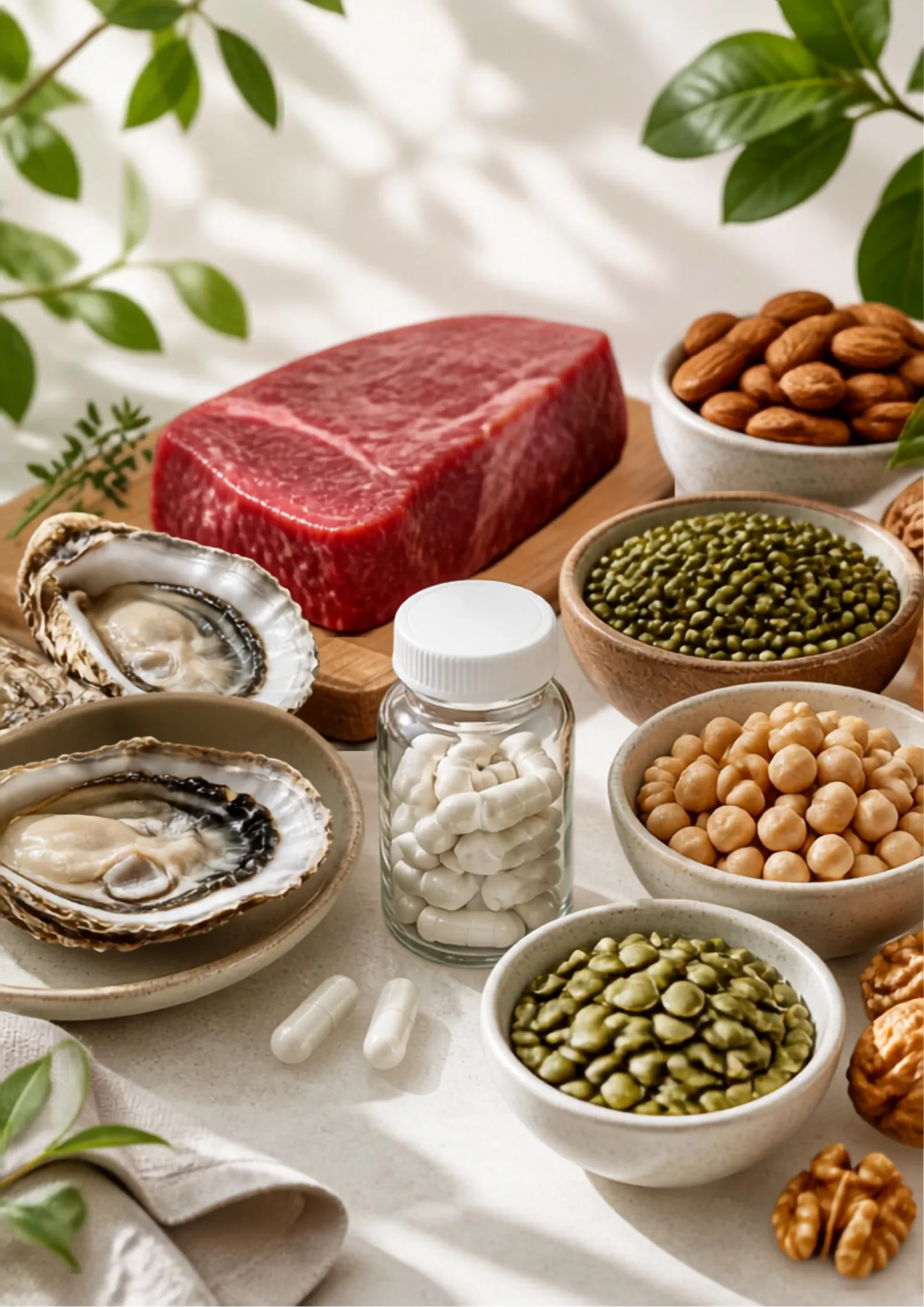
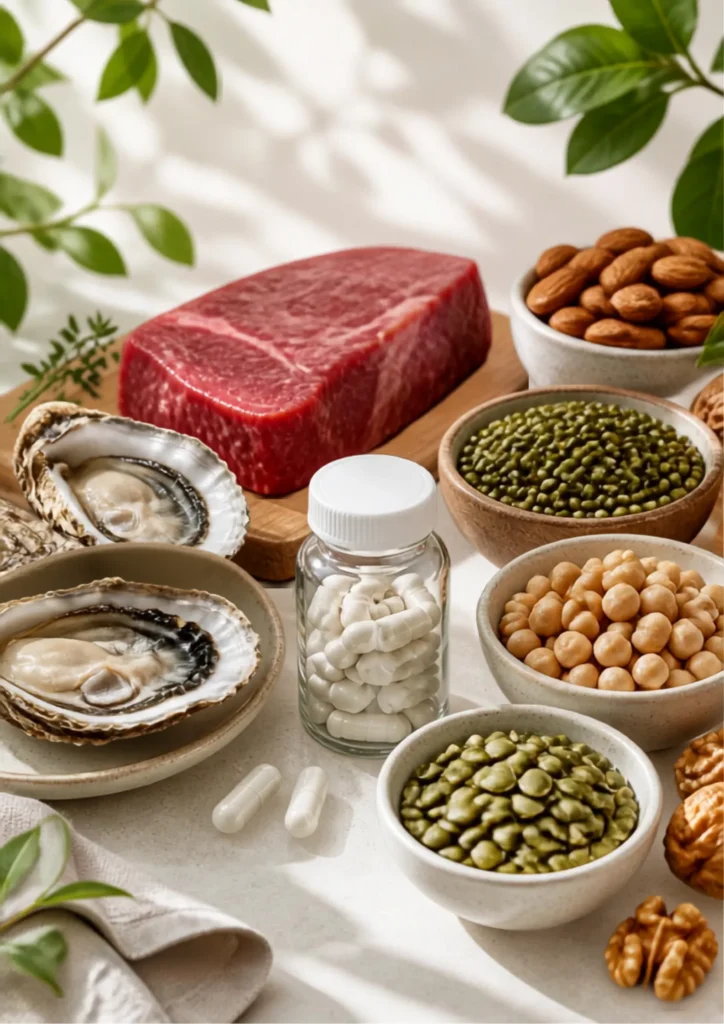
Zinc is an essential mineral naturally found in foods such as oysters, meat, seafood, dairy products, beans, nuts, and whole grains. Because the body requires zinc for many normal cellular processes, it is commonly included in multivitamins, mineral formulas, zinc capsules, and immune support supplements. Facts
| Quick Fact | Details |
|---|---|
| Ingredient Type | Essential mineral |
| Common Source | Oysters, meat, seafood, dairy, legumes |
| Common Supplement Form | Capsules, tablets, lozenges |
| Primary Uses | Nutritional, immune, growth, wound support |
| Commonly Combined With | Other vitamins and minerals |
| Supplement Categories | Mineral, multivitamin, immune support |
Potential Zinc Benefits
- Immune function: Zinc contributes to normal immune-system activity.
- Wound healing: Adequate zinc supports normal tissue repair and wound healing.
- Protein synthesis: Zinc is required for processes involved in making proteins.
- DNA synthesis: The mineral participates in normal DNA production and cell activity.
- Growth and development: Zinc supports normal growth during pregnancy, childhood, and adolescence.
- Taste function: Adequate zinc helps maintain a normal sense of taste.
- Nutrient adequacy: A zinc supplement may help people who cannot obtain enough zinc from their diet.
These established physiological roles are summarized in the NIH Office of Dietary Supplements zinc fact sheett Zinc for Colds?
Zinc lozenges have also been studied for the common cold. Some research suggests that zinc started early may shorten symptom duration, but results are inconsistent and the certainty of evidence is generally low; it does not appear to reliably prevent colds. inc Work?
Zinc supports hundreds of enzyme-related processes and contributes to cell signaling, cell division, immune activity, and protein and DNA synthesis. The body regulates zinc through intestinal absorption, excretion, and reabsorption. tivity:** Zinc is required for many normal enzyme reactions.
- Cell function: It contributes to normal cell signaling and division.
- Immune activity: Zinc helps maintain normal immune responses.
- Absorption: Food composition and zinc form can affect how much zinc is absorbed.
Zinc Forms and Sources
| Form or Source | What It Is | Common Use |
|---|---|---|
| Zinc gluconate | Common supplemental zinc form | Tablets, capsules, lozenges |
| Zinc acetate | Zinc salt used in supplements | Lozenges, tablets |
| Zinc sulfate | Widely used zinc salt | Capsules, tablets |
| Zinc citrate | Supplemental mineral form | Tablets, capsules |
| Zinc oxide | Mineral form containing zinc | Some supplement formulas |
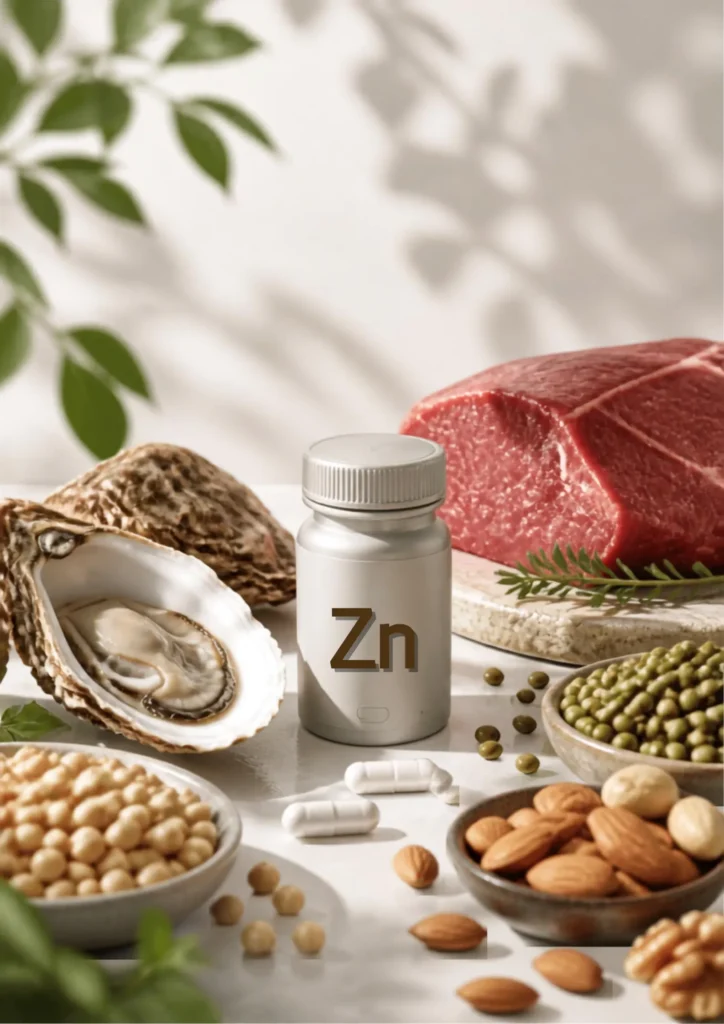
| Food sources | Oysters, meat, seafood, dairy, legumes | Dietary zinc |
Zinc citrate and gluconate showed somewhat higher absorption than zinc oxide in one study of young adults, but available evidence does not establish one zinc form as universally best. ces
| Source | Zinc Availability |
|---|---|
| Oysters | Very high |
| Beef and other meats | Good source |
| Fish and seafood | Good source |
| Eggs and dairy | Moderate source |
| Beans and nuts | Plant-based source |
| Whole grains | Plant-based source |
| Fortified cereals | Added dietary zinc |
Zinc from some plant foods is less bioavailable because phytates can bind zinc and reduce absorption. pplements
Zinc appears in stand-alone mineral products and many multivitamin/mineral formulas.
- Why manufacturers use it: Zinc supplies an essential mineral required for normal body functions.
- Common categories: Multivitamins, mineral supplements, immune formulas, and zinc capsules.
- Common combinations: Zinc may appear alongside magnesium and other vitamins or minerals.
- Formula considerations: Check the amount of elemental zinc listed on the Supplement Facts panel.
Read our IMMUNE SUPPORT SUPPLEMENT Review.
Explore our IMMUNE HEALTH SUPPLEMENTS guides.
See our FEATURED MINERAL SUPPLEMENT.
How to Choose a Quality Zinc Supplement
- Ingredient identity: The label should clearly identify zinc and its specific form.
- Elemental zinc: Check the actual amount of zinc supplied per serving.
- Form: Look for forms such as gluconate, acetate, citrate, sulfate, or oxide.
- Serving amount: Consider total zinc from supplements, multivitamins, and food.
- Label transparency: Prefer products that clearly disclose ingredient amounts.
- Manufacturing quality: Look for appropriate manufacturing and quality information.
- Third-party testing: Independent verification may provide additional quality assurance.
- Storage: Follow the storage directions provided on the product label.
FDA dietary supplement CGMP requirements address manufacturing, packaging, labeling, quality controls, and product specifications. See the FDA dietary supplement manufacturing guidanceand Considerations
Potential Advantages
- Essential mineral required by the body.
- Available from both food and supplements.
- Commonly included in multivitamin formulas.
- Available in several supplemental forms.
- Supports normal immune function.
- Contributes to normal protein and DNA synthesis.
Things to Consider
- Elemental zinc amounts vary between products.
- Absorption can differ with diet and supplement form.
- Plant phytates can reduce zinc absorption.
- Excessive long-term intake can affect copper status.
- Zinc can interact with certain medications.
- No single supplement form is clearly best for everyone.
Possible Side Effects and Safety
Zinc is essential, but higher supplemental intakes are not automatically better. Excessive intake can cause adverse effects, and prolonged high intake may interfere with copper absorption. side effects:** High zinc intake can cause nausea, stomach discomfort, vomiting, headaches, or reduced appetite.
- Copper balance: High supplemental intake over time can reduce copper absorption.
- Medication considerations: Zinc can interact with tetracycline and quinolone antibiotics and penicillamine.
- Diuretics: Some thiazide diuretics may increase zinc loss through urine.
- Pregnancy and nursing: Nutrient needs differ during these life stages, so high-dose supplementation should be discussed with a healthcare professional.
- Existing health conditions: People with conditions affecting nutrient absorption or mineral balance may need individualized guidance.
- Professional advice: Medical advice is appropriate before prolonged high-dose zinc supplementation.
For adults, the NIH-listed Tolerable Upper Intake Level is 40 mg of zinc per day from all sources, unless zinc is being used under medical supervision. Consider Professional Advice Before Use?
- People taking prescription medications.
- Pregnant or nursing individuals considering supplemental zinc.
- Children using zinc supplements.
- People with digestive or absorption disorders.
- People considering long-term high-dose zinc.
- Anyone being treated for a diagnosed mineral deficiency.
Frequently Asked Questions
What is zinc used for?
Zinc supports normal immune function, protein and DNA synthesis, wound healing, growth, and taste. It is also used to help maintain adequate zinc intake. afe?
Zinc is an essential nutrient and is generally consumed safely within appropriate intake levels. Excessive supplemental intake can cause side effects and interfere with copper absorption. e zinc daily?
Zinc can be consumed daily through food and appropriately formulated supplements. Total intake should be considered, especially when combining a zinc supplement with a multivitamin or mineral formula.
How does zinc work?
Zinc participates in enzyme reactions, cell signaling, immune activity, cell division, and protein and DNA synthesis. does zinc take to work?
There is no universal timeline. The response depends on zinc status, dietary intake, the purpose of supplementation, and individual factors.
Is zinc the same as magnesium?
No. Zinc and magnesium are separate essential minerals with different biological roles, although both may appear in mineral supplements.
What is the best form of zinc?
There is no universally established best form. Gluconate, acetate, sulfate, citrate, and oxide are among the forms used in supplements. ld zinc be taken?
Follow the product directions and consider medication timing. Certain antibiotics and penicillamine need to be separated from zinc because zinc can reduce their absorption. cause side effects?
Yes. Excessive zinc can cause nausea, stomach discomfort, vomiting, headache, dizziness, or reduced appetite. lements are commonly combined with zinc?
Zinc commonly appears in multivitamin/mineral products and formulas containing other essential minerals. Always check total zinc intake when using multiple supplements.
Final Thoughts
Zinc is an essential mineral involved in immune function, normal growth, wound healing, and protein and DNA synthesis. The most meaningful Zinc Benefits come from maintaining adequate zinc status, while supplement quality, total intake, medication interactions, and individual suitability should guide supplement use.